

THE EQUIPMENT EDIT · NEW ZEALAND
By the CricketWorld ChCh editorial team · Prepared 6 October 2026
A cricket bag tells a story. There is the junior’s first bat, the gloves a club batter has finally worn through, and the spare grip kept for a Saturday emergency. Building that bag should start with the player, not the most expensive item on the shelf. What cricket do you play? What fits comfortably? What does your team already provide?
This guide helps players and parents across New Zealand make those decisions, from a first season to a carefully chosen Player Edition bat. CricketWorld ChCh in Bishopdale, Christchurch brings together bats, protection, footwear, bags and accessories, with individual bat photographs and specifications to compare. Use the advice below to build a shortlist, ask better questions and spend where it matters for your game.
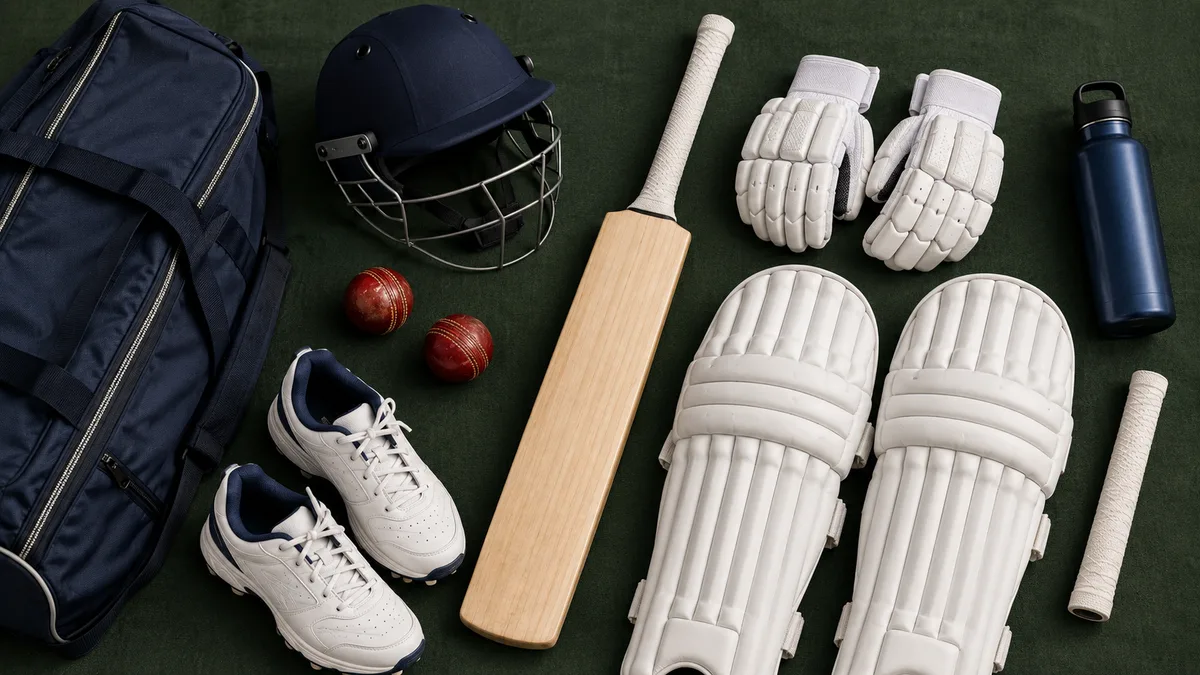
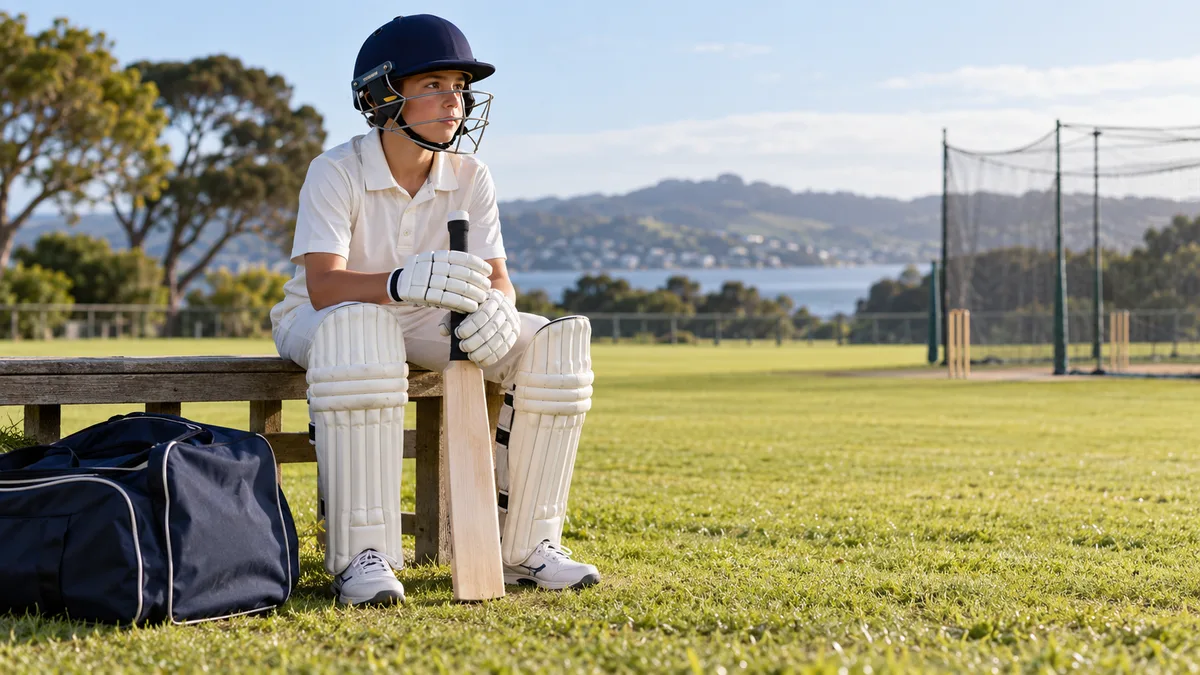
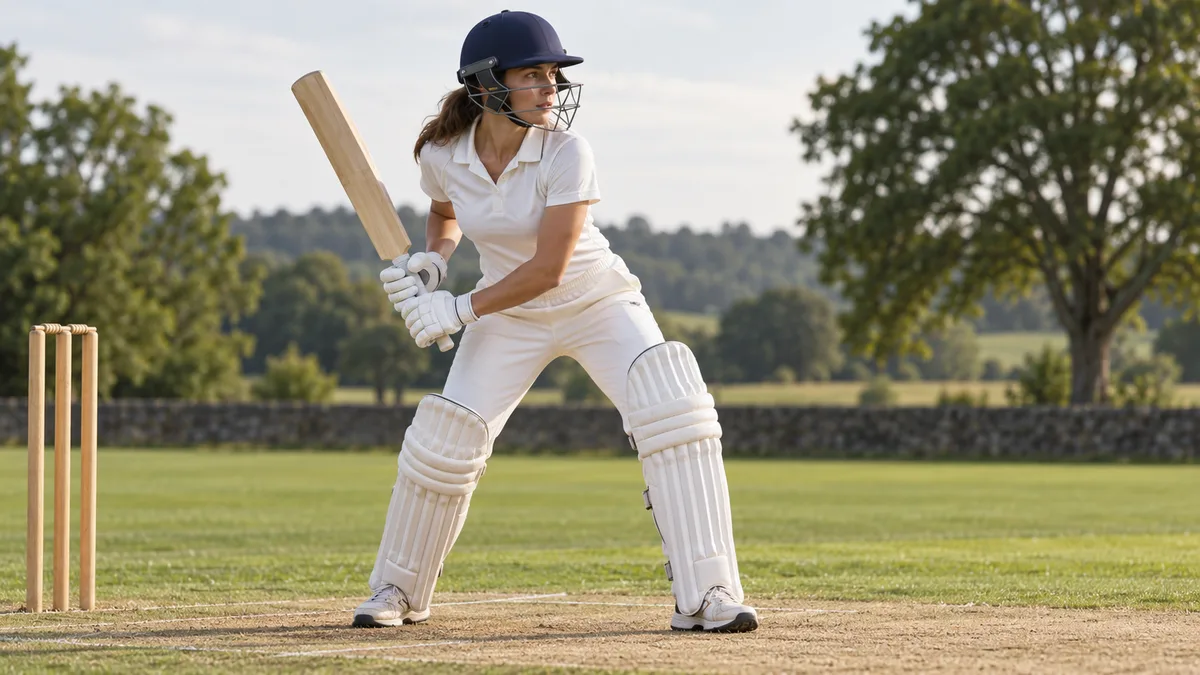
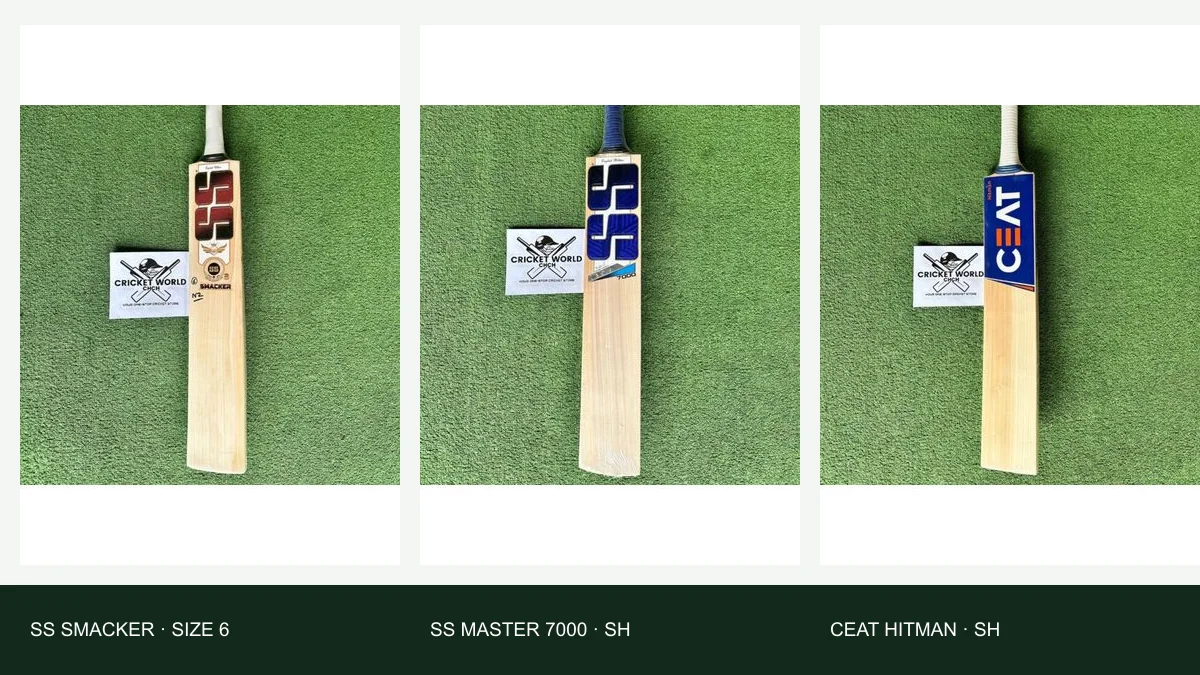
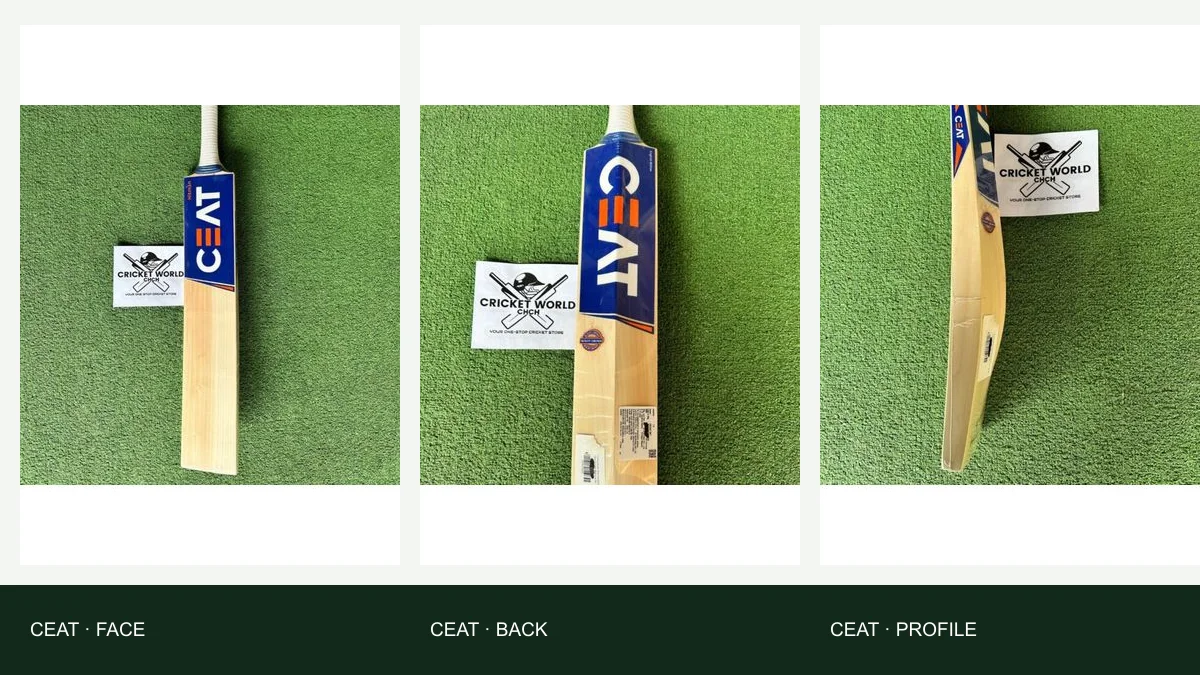
Visual note: the hero and generic player, equipment and community scenes are AI illustrations. Bat comparison images use real listing photographs. Illustrations do not demonstrate product certification, actual stock or a store/club relationship.
Start with the cricket you actually play
Before ordering anything, confirm your format, ball type and competition requirements with your coach or club. A soft-ball introduction and a hard-ball batting session have different equipment needs. A wicketkeeper has different responsibilities from a batter who occasionally bowls. Shared club gear can also change what you need to own immediately.
Make three lists: essentials for your next session, replacements for worn equipment, and upgrades that can wait. Put fit and appropriate protection ahead of an exciting bat purchase. Keep room in the budget for preparation, delivery and an item that unexpectedly needs replacing.
| Item | What to check | Before choosing |
|---|---|---|
| Bat | Size, comfortable pickup, weight and ball suitability | Compare your current bat and the exact listing |
| Helmet and protection | Fit, condition, manufacturer instructions and applicable requirements | Confirm competition rules and the actual certification label |
| Gloves and pads | Measurements, handedness, coverage and movement | Try them in a batting stance |
| Footwear | Size, grip and surface suitability | Ask whether spikes are permitted at your venue |
| Bag and accessories | Space, carrying style and useful spares | Pack your existing gear before estimating capacity |
| Keeping or training gear | Your role and what the team supplies | Check relevant stock rather than assume a complete kit is included |
The cricket equipment shop is a useful starting point for comparing categories. Treat this checklist as a planning tool; your club’s requirements and each manufacturer’s instructions remain the references for use.
Junior cricket equipment: fit now, review as they grow
A young player should be able to move naturally in their equipment. A bat bought several sizes too large may be difficult to control; oversized pads can get in the way of running; loose gloves can make the handle feel less secure. A premium label cannot compensate for the wrong fit.
Start with height and the manufacturer’s bat size chart, then check comfortable pickup. Do not use age as the deciding measurement. Two teammates of the same age can need different equipment, and a player may need one size in gloves and another in pads. Let the coach know when a junior is between sizes or struggling to control a bat.
For protection, measure carefully and compare the specific product chart. Check straps and fasteners, and make sure movement remains comfortable. Ask the coach about the ball used in training and matches and the helmet requirements for that grade. The change from modified cricket to hard-ball cricket is a good moment to review the whole kit.
Explore junior cricket bats and the Size 6 selection. The SS Smacker Size 6 listing, for example, specifies a 980 g English willow bat. That is a comparison point, not a recommendation for every child or a guarantee that it will feel light.
Cricket gear for women: choose the individual fit
Women’s cricket equipment is not simply men’s equipment with a different colour. Hand dimensions, leg measurements, head circumference, footwear fit and preferred bat balance all deserve individual attention. Equally, gender alone does not determine which size or model a player needs.
Some women are comfortable with a standard short-handle bat; others prefer a smaller option. Compare length and pickup without assuming that every woman needs a light bat or that an adult-size product will necessarily fit. Try gloves around the actual handle and check finger length, palm movement and wrist closure.
For pads, pay attention to where the knee roll sits and whether the straps hold the pad without restricting movement. Choose abdominal or pelvic protection intended for your anatomy and playing requirements, using manufacturer advice and the club’s guidance. Confirm availability before treating any specialist item as part of a shopping list.
Helmet selection also involves the ball size, not just the head size. The ICC’s helmet guidance recommends women use helmets tested against both men’s and junior balls, or at least the junior ball. Check the actual label and current competition requirements; a product photograph cannot establish compliance.
CricketWorld ChCh’s gloves, batting pads and helmets can be explored by their available measurements and specifications. Ask about a particular fit rather than assume the store offers a separately verified women’s range.
Club cricketers: build a reliable match-day setup
A club kit needs to cope with repeated training, travel and match days. Empty the bag before buying replacements. Look for worn glove palms, loose pad straps, a damaged helmet component, tired shoe soles and grips that have become slippery. Separate ordinary wear from damage that needs manufacturer assessment.
Think about the position you play. A keeper should check keeping-specific gloves and pads rather than substitute batting equipment. A bowler may prioritise footwear suitability and comfort over a bat upgrade. A regular batter may value a familiar pickup and well-fitting gloves more than moving to the highest grade available.
For team organisers, collect individual sizes, roles and existing equipment before requesting help with a group order. Check stock, quantities, delivery and each player’s requirements. Team clothing should follow your club’s arrangements; this guide does not imply a custom teamwear or sponsorship service.
Use the accessories selection to identify replacements, and contact the Christchurch team with a concrete equipment list. That makes an enquiry more useful than a general request for “a full team kit”.
Beginners, returning players and weekend cricketers
You do not need to buy professional-level equipment to enjoy cricket. Start with the format you will play and the essentials your team expects you to bring. If a club offers shared gear, ask what is available and how fit and condition are managed before spending the whole budget.
A returning player should try the old kit again. Your preferred bat weight, shoe size or comfort may have changed, while equipment stored for years may need assessment. Do not judge a helmet’s condition only by its appearance. The manufacturer’s replacement advice matters, especially after a significant impact.
Compare a few bats with similar specifications rather than browsing every model at once. Decide a total budget that includes protection and preparation. A familiar-feeling bat with appropriate fit may be a better decision than an impressive specification you cannot comfortably control.
For social cricket, confirm whether the game uses a hard, modified or tennis ball and select equipment designed for that use. Avoid assuming that a cricket-looking bat or helmet is suitable for every format. Ask the organiser before your first session, then use the checklist to fill the actual gaps.
Choosing cricket bats: compare more than the grade
Start with size, then pickup, then the details of the individual bat. Weight on a scale is useful, but balance affects how the bat feels in your hands. Two bats with the same stated weight can feel different because their profiles and weight distribution differ.
Look at the handle, blade shape and listed measurements alongside the photographs. Compare those features with your current bat and explain what you would like to change. If you are buying online, ask for clarification where a specification is missing instead of filling the gap with an assumption.
English willow, grades and individual photographs
Willow grade is a product designation, not a universal performance score. Grading practices differ between manufacturers. Cosmetic appearance, grain count and price alone do not tell you how well a particular bat will suit you, and no guide can promise runs from a grade label.
The cricket bat collection includes English willow listings with individual photographs. The SS Master 7000 example lists Grade 2 English willow, short handle and 1180 g. Compare that exact listing with the junior example or another senior bat; do not apply its measurements to every Master 7000.
For a deeper brand-specific comparison, read the existing SS and TON buying guide. Keep the physical bat’s SKU and photographs in view: two listings sharing a model name can represent different bats.
Cricket bat size guide: the full reference chart
Use height to shortlist sizes, then confirm the manufacturer’s dimensions and your comfortable stance and pickup. The chart below adapts the Size 1-to-Long Blade reference from Ciel Sports’ bat size guide. These are approximate reference ranges, not a statement of CricketWorld ChCh stock or a universal sizing standard.
On smaller screens, swipe or scroll the table sideways.
| Bat size | Player height (ft/in) | Height (cm) | Age reference only | Approx. bat length (cm / in) |
|---|---|---|---|---|
| 1 | Under 4 ft | Under 122 | 4–6 | 61 / 24 |
| 2 | 4 ft–4 ft 3 in | 122–130 | 5–7 | 64 / 25 |
| 3 | 4 ft 3 in–4 ft 6 in | 130–137 | 6–9 | 67 / 26 |
| 4 | 4 ft 6 in–4 ft 9 in | 137–145 | 8–10 | 70 / 27.5 |
| 5 | 4 ft 9 in–5 ft 1 in | 145–155 | 10–13 | 73 / 28.5 |
| 6 | 5 ft 1 in–5 ft 4 in | 155–163 | 12–15 | 76 / 30 |
| Harrow | 5 ft 4 in–5 ft 6 in | 163–168 | 13–16 | 79 / 31 |
| Short Handle (SH) | 5 ft 6 in–6 ft | 168–183 | Adult | 85 / 33.5 |
| Long Handle (LH) | 6 ft–6 ft 4 in | 183–193 | Adult | 87 / 34.5 |
| Long Blade (LB) | Over 6 ft 4 in | Over 193 | Adult | 87 / 34.5 |
Age is only a reference; height and comfortable control matter more. The table does not confirm that every size is stocked.
Charts differ. NZ Cricket’s equipment size guide, for example, includes Size 0 and Small Adult, and places Size 5 at 150–157 cm, Size 6 at 157–163 cm and Harrow at 163–168 cm. Do not combine the two charts into a supposedly exact rule. Use the chart supplied for the bat you are considering.
Turn a size chart into a fitting check
Measure height accurately, following the relevant manufacturer’s measurement instructions. In your normal batting stance, check that the bat rests naturally without forcing an awkward posture. Make a slow backlift in a clear space and assess whether you can control it comfortably. Ask a coach or equipment specialist to help when two adjacent sizes seem possible.
Short Handle, Long Handle and Long Blade describe different constructions. Do not choose solely because you are tall: confirm the actual blade and handle lengths, weight and pickup of the listed bat. For growing players, fitting now is more useful than purchasing a size they cannot manage.
Explore the verified Size 5, Size 6 and Harrow categories. Other chart sizes are included for education; ask about current availability.
Player Edition Cricket Bats and advanced-player choices
Experienced players often arrive with a clear preference: a familiar handle shape, a particular pickup, a profile they enjoy or an exact weight range. Write those preferences down before comparing premium cricket bats. A more expensive bat still needs to fit your technique and equipment budget.
Player Edition Cricket Bats is a useful shopping category, but the wording is not proof that a specific professional owned, used or personally selected the bat on sale. Treat model and edition names as designations and ask which material, size and measurements are documented.
The CEAT Rohit Sharma Hitman Player Edition listing specifies a short-handle bat at 1180 g, with 39 mm edges and a 63 mm spine. Those are listed characteristics of the pictured bat, not an endorsement, independent performance test or reason it must be right for you.
Compare the Player Edition collection alongside other suitable models. Keep enough budget for correctly fitting gloves, protection and ongoing care rather than treating the bat as the entire kit.
Beyond the bat: gloves, pads, helmets and shoes
Measure protection instead of guessing
For gloves, follow the manufacturer’s hand measurement and check handedness. Try holding a handle and flexing the fingers; the closure should feel secure without excessive pressure. For pads, use the relevant leg measurement and check the knee position, strap comfort and freedom to move. NZ Cricket’s size guide is a helpful starting reference, while the product’s own chart controls the final choice.
Choose a helmet using measured head circumference and the manufacturer’s fitting instructions. Check the label for the appropriate standard and tested ball sizes, then confirm current local rules. The ICC advises replacement after a severe blow even if damage is not obvious. Never treat an AI image, price tag or brand name as evidence of protection compliance.
Match footwear to the playing surface
Ask whether you will use turf, artificial wickets, indoor surfaces or several venues. Check which sole type is suitable and permitted before selecting spikes. Try footwear with the socks you use for cricket and consider toe room, heel security and comfort during movement.
The cricket shoes and spikes category lets you compare available listings. Use each manufacturer’s size and surface information; do not assume that every shoe in the category is suitable for every player or ground.
Bags and useful accessories
Choose a bag around the equipment you actually carry. Consider bat storage, protection space, footwear separation and how you travel to cricket. Wheels may help some players, while carrying comfort matters when walking or using public transport. Check listed dimensions rather than judging capacity from a photograph.
Browse cricket kit bags and add useful spares only after the main kit fits. A fresh grip or protective sheet can be practical, but confirm the product’s compatibility and instructions. Balls and training items should suit the session your coach plans.
Preparing for the season and caring for your bat
Build preparation time into your first match date. Ask what preparation has already been completed and what the manufacturer still requires. “Pre-prepared” should not be treated as a blanket guarantee that every bat can immediately face a new match ball.
Gray-Nicolls’ bat-care guidance discusses knocking-in, protective covers, careful oiling and avoiding damp or extreme heat. Procedures vary by product: follow your bat maker’s instructions rather than transfer one brand’s timings or oil quantities to another bat.
CricketWorld ChCh offers oiling, knocking-in and toe binding. Confirm the selected service, current turnaround and what further preparation or use restrictions apply. Optional services on a listing are not automatically included simply because a section heading mentions them.
After play, air and dry equipment appropriately, check for damage and avoid leaving a bat in a hot vehicle or damp bag. Review the store’s delivery and returns policy before requesting preparation: prepared/customised bats and bats with wrapping removed are excluded from change-of-mind returns. Applicable faulty-goods rights remain separate.
Christchurch advice, New Zealand shopping and Australia
A useful cricket shop conversation begins with details: your playing level, size, current gear, budget and what you want to improve. Bring measurements or your current bat when practical. If a particular listing interests you, contact the team before travelling because individual stock can change.
Visit CricketWorld ChCh at 57 Highsted Road, Bishopdale, Christchurch 8053. Published hours are 9 AM–9 PM, seven days a week. Call +64 27 539 9073, email support@cricketworldchch.co.nz or use the contact page for visit and equipment enquiries.
For players elsewhere in Canterbury and across New Zealand, compare photographs and specifications online, then confirm any unanswered fit or order questions. Use the relevant category pages to narrow your shortlist.

Australian customers: check the whole order
The published policy offers Australian delivery to all postcodes. Confirm the shipping charge and address-specific estimate before purchase; dispatch and courier transit are separate. The single-bat reference rate is NZ$50 to Australia, subject to chargeable size and weight. Smaller or combined orders need their own quote, so that rate should not be applied to every product.
For New Zealand, the single-bat reference rate is NZ$30 on the same qualified basis. The policy lists free shipping above NZ$1,500 for NZ orders and NZ$2,000 for Australia. Review current terms, currency and return arrangements for your actual basket rather than relying on an old article screenshot.
Eligible change-of-mind returns have a seven-day window after receipt, with return shipping paid by the customer and the stated exclusions. Read the full policy before opening bat wrapping or choosing services.
Cricket equipment questions answered
What equipment does a beginner need?
Confirm the format and club requirements first. For hard-ball batting, plan suitable protection, a correctly sized bat and surface-appropriate footwear. Check what the club provides before buying a complete setup.
How do I choose a junior bat size?
Use the relevant manufacturer’s height chart, then check stance and comfortable pickup. Avoid choosing by age alone or buying an oversized bat solely for future growth.
Can women use a short-handle cricket bat?
Yes, where that size and pickup suit the individual. Some players prefer other sizes. Check the actual dimensions and comfort rather than make a choice from gender alone.
What does Player Edition mean?
It is a model or range designation. It does not establish that the exact bat was used, endorsed or personally selected by a professional player. Compare its documented specifications.
Does a higher willow grade guarantee better performance?
No. Grading practices vary, and fit, pickup and the individual bat still matter. Compare the maker’s description and the exact listing rather than treat grade as a universal score.
What should I check before buying a helmet?
Check measured fit, the actual certification label, tested ball sizes, manufacturer instructions and current competition requirements. Replace damaged equipment as directed by the manufacturer.
Does CricketWorld ChCh prepare bats?
Oiling, knocking-in and toe binding are offered. Ask what the chosen option includes, its current turnaround and which manufacturer instructions still apply.
Can I find cricket bats on offer?
Check current live listings for genuine sale pricing and availability. Do not assume an old promotion still applies, or that a discount makes a bat the correct fit.
Can Australian customers order?
The published policy provides delivery to Australian postcodes. Confirm the charge, dispatch arrangements and courier estimate for the actual order, and review return conditions before purchase.
Can I visit the Christchurch store?
Yes. The published address is 57 Highsted Road, Bishopdale, Christchurch 8053, with hours of 9 AM–9 PM daily. Contact the team before visiting to check a particular product.
Build the kit around your game
Start with what you need, measure what fits and compare a manageable shortlist. Good equipment decisions leave you ready to practise and enjoy cricket, with fewer surprises in the bag.

Editorial sources: the linked NZ Cricket sizing guide, ICC helmet guidance, Gray-Nicolls care guidance and Ciel Sports size reference. Product details and store policies checked on 6 October 2026. Recheck availability, manufacturer instructions and current competition requirements before use or ordering.